Are You at Risk?
The Link Between High Myopia and Serious Eye Diseases
Are You at Risk?
High myopia, often referred to as severe nearsightedness, is a condition characterized by a high degree of myopia, resulting in significant difficulty seeing distant objects. While myopia can pose challenges, individuals with high myopia face an increased risk of developing severe eye diseases that can lead to vision loss. Understanding the connection between high myopia and these eye conditions is crucial for early detection and intervention.

Defining High Myopia
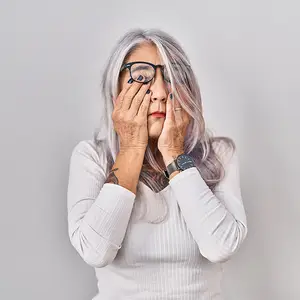
High myopia is typically diagnosed when a person's prescription exceeds -6.00 diopters. It often occurs when the eyeball becomes elongated, causing light to focus in front of the retina instead of directly on it. This structural change sets high myopia apart from mild to moderate myopia.
Serious Eye Diseases Associated with High Myopia
-
Retinal Detachment
High myopia significantly raises the risk of retinal detachment, a condition where the retina, the light-sensitive layer at the back of the eye, detaches from its normal position. This separation can lead to vision loss and requires immediate medical attention.
-
Retinal Tears and Holes
High myopia can lead to the development of retinal tears or holes, which may be precursors to retinal detachment. These issues must be addressed promptly to prevent further complications.
-
Glaucoma
Individuals with high myopia may face a higher risk of developing glaucoma, a group of eye diseases that can damage the optic nerve and result in vision loss. Regular eye exams are crucial to monitor and manage this condition effectively.
-
Cataracts
While not directly caused by high myopia, individuals with high myopia may experience an earlier onset of cataracts, which cloud the eye's natural lens and lead to decreased vision.
-
Myopic Macular Degeneration
High myopia can contribute to the development of myopic macular degeneration, a condition affecting the central part of the retina (macula). This can lead to central vision loss, impacting one's ability to see fine details clearly.
Strategies to Reduce Your Risk of Serious Eye Conditions
While high myopia is associated with an increased risk of severe eye diseases, there are steps you can take to reduce this risk:
-
Get Regular Eye Exams
Routine eye exams are essential for early detection and timely intervention. Your eye care professional can monitor the health of your eyes and address any emerging issues promptly.
-
Myopia Management
If you or your child has high myopia, myopia management strategies, including orthokeratology (ortho-k) and low-dose atropine, can help slow the progression of myopia and reduce the associated risks.
-
A Healthy Lifestyle
A balanced diet, regular outdoor time, proper exercise, and lifestyle choices that promote overall health can contribute to better eye health. This can reduce your long-term risk of severe eye conditions.
-
Protect Your Eyes
If you engage in sports or activities that pose a risk to your eyes, consider protective eyewear to prevent injuries that could exacerbate eye issues.
Patient Reviews
4.8
275 Reviews
Julie V. - May 19, 2026
Love Dr. Chin. I've been his patient since the 1990's. Now all my family goes to him. He has been... Show More around a very long time and still keeps up with today's technology. His staff and office is always friendly.
Chelsey T. - May 18, 2026
Here’s a polished Google review version that keeps your experience and adds a warm family perspectiv... Show Moree:
**⭐️⭐️⭐️⭐️⭐️**
This was the first visit for both myself and my 7-year-old, and we had a great experience. The staff was incredibly friendly and welcoming, which immediately helped ease my daughter’s nerves and made her feel comfortable.
When we met the doctor, he was equally friendly, informative, and very easy to talk to. He took the time to explain everything and made the visit feel relaxed and unrushed.
The frame selection in the office is somewhat limited, but the options available are practical, easy to browse, and had enough variety to choose from. Overall, this is a great practice, and I would definitely recommend them to others.
Myopia Management in Sharpstown
-responsive.png)

Hours Show More
- Monday 8:00 am - 6:00 pm
- Tuesday 8:00 am - 6:00 pm
- Wednesday 8:00 am - 5:00 pm
- Thursday 8:00 am - 6:00 pm
- Friday 8:00 am - 6:00 pm
- Saturday 8:00 am - 12:00 pm
- Sunday Closed
Insurance Plans Show More
- VSP
- Medicare
- United Healthcare
- Cigna
- Spectera
- EyeMed
- National Vision Administration (NVA)
- Aetna
- Versant Health
- Medicare Part B
- BCBS Federal Employee Program
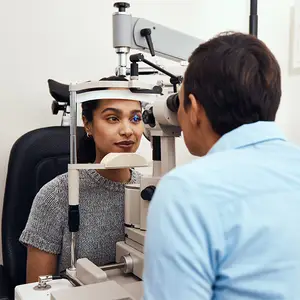
Lifetime Eyecare & Contact Lens Center: Your First Line of Defence Against High Myopia
The link between high myopia and serious eye diseases underscores the importance of proactive eye care. If you have high myopia or a family history of the condition, regular eye exams and discussions with your eye care professional are vital to safeguard your vision and reduce the associated risks.
Contact Lifetime Eyecare & Contact Lens Center to schedule an eye exam, and let us guide you through high myopia and its potential impact on your eye health.